
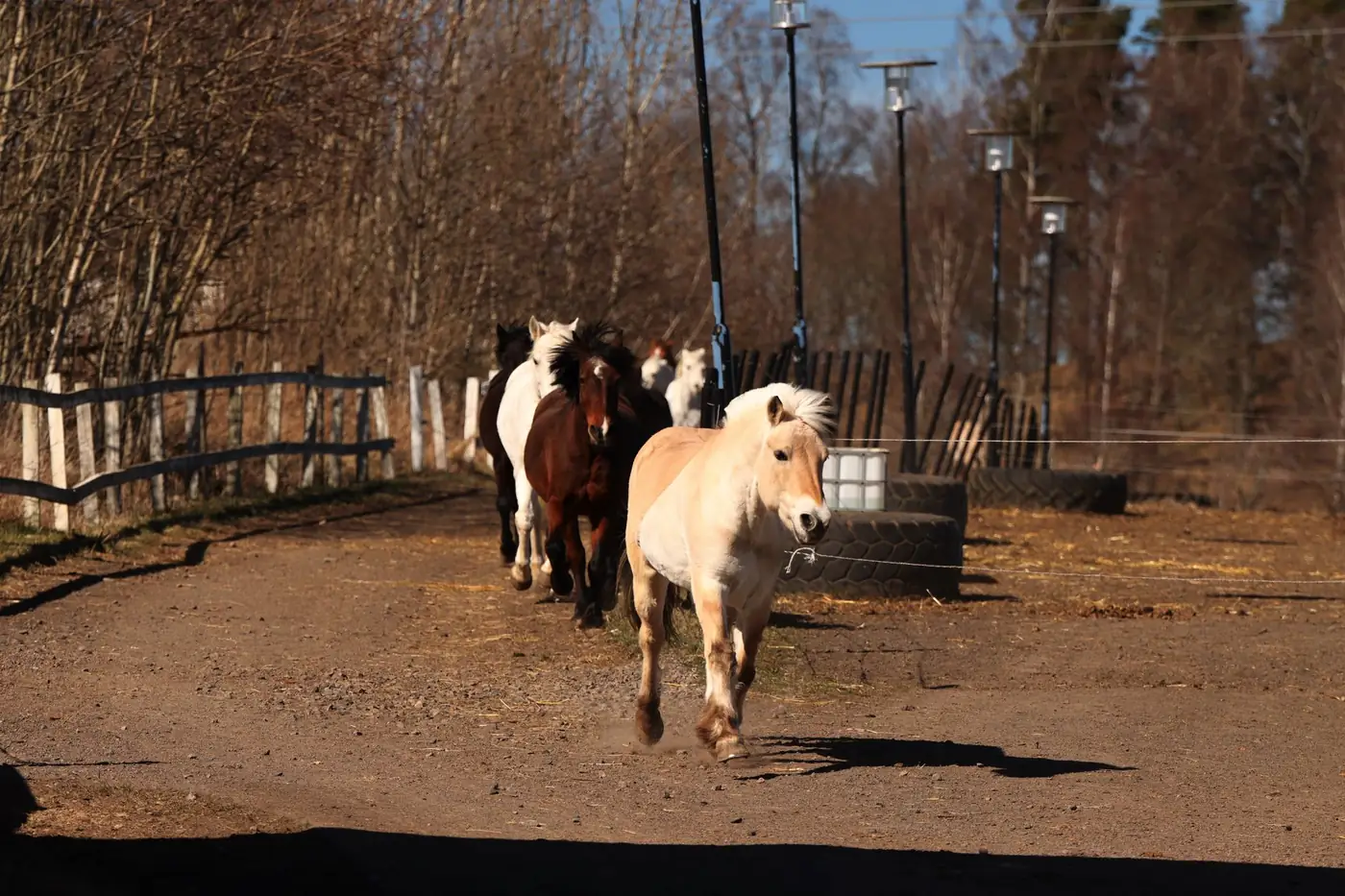
By the time a yearling walks into the sale ring at Tattersalls or one of the other major sales, the decision about whether a buyer is interested has usually already been made, or at least ninety per cent made, somewhere out on the walking ring or in the barns the day before. The ring itself is theatre. The judging happens earlier, and it happens on a much narrower set of criteria than most people outside the industry assume.
The Walk Decides More Than the Pedigree
Ask any experienced buyer what they look at first and almost all of them will say the same thing: the walk. A yearling with a free, straight, ground-covering walk gets forgiven all sorts of minor cosmetic faults. A yearling with a poor or crooked walk struggles to attract serious interest whatever its page says, because a walk that looks wrong at eighteen months rarely fixes itself with training, and buyers know it. We spend weeks before a sale simply walking yearlings up and down a hard, flat surface, over and over, partly to condition them to doing it calmly in front of strangers and partly because it is, honestly, the single best piece of preparation we can offer.
After the walk, buyers are looking at the whole picture rather than any one feature in isolation: how the horse is put together, whether the limbs look correct and are likely to stay sound, whether the horse carries itself with any natural presence. None of this is about being the prettiest horse in the barn. Plenty of horses that go on to be good racehorses are not conventionally good-looking, and plenty of visually striking yearlings turn out to have nothing behind the eye at all. What buyers are actually assessing, whether they would put it this way or not, is risk: how likely is this individual to stay sound and progress, given everything visible about it right now.
Scale matters too, though less than newcomers usually assume. A big, imposing yearling photographs well and can catch the eye walking round the ring, but bone and joint development does not necessarily keep pace with height and length, and an experienced buyer is often more interested in whether a yearling looks proportionate and well put together for its own frame than in whether it happens to be the tallest one in its group. I have seen plenty of modestly sized yearlings outsell far bigger stablemates purely because everything about them fitted together correctly.
What Actually Happens in the Barn
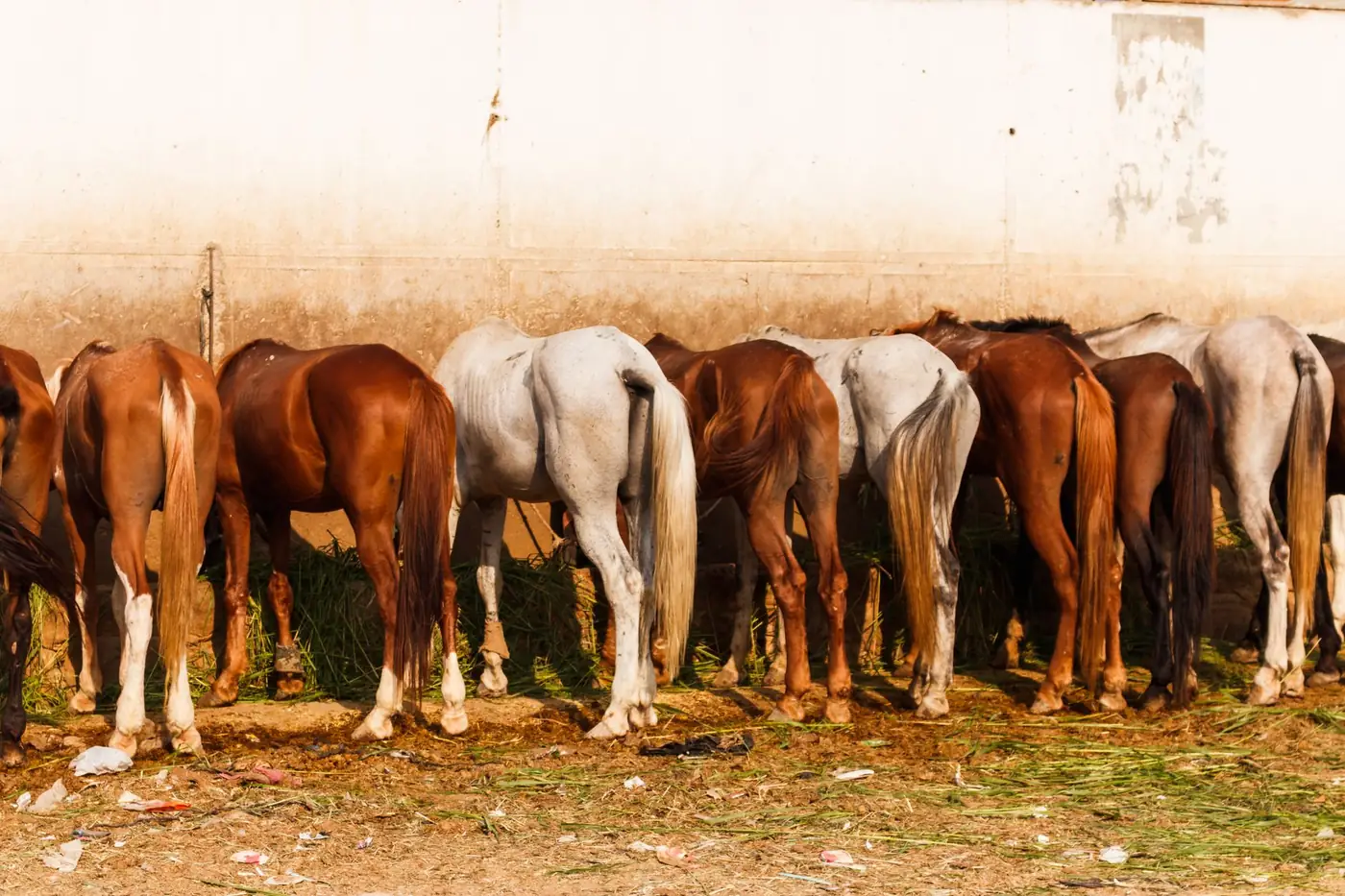
The barns before a major sale are quieter and more consequential than the ring itself. Serious buyers, or the agents working for them, come round repeatedly over the days before the sale, watching a yearling stand, watching it walk, running a hand down each leg, checking a wind certificate or a set of scope results if the vetting has flagged anything worth a second look. A yearling that stands quietly and lets a stranger handle its legs without fuss is doing itself a genuine favour, because a horse that is difficult to examine properly raises a small flag in a buyer's mind regardless of what the examination eventually shows.
This is where all the handling work from the first six months, the sort of unglamorous daily repetition I have written about before, actually pays a financial dividend. A yearling that has been calmly handled since it was a foal behaves completely differently in a strange barn full of strangers than one that has been left largely alone and is now being asked, for the first time, to cope with constant attention. Buyers can tell the difference within seconds, and it shows in the price.
X-rays are part of this quieter examination too, and most major sales now make a standardised set of veterinary images available to any registered buyer, covering joints known to be prone to developmental problems. A clean set reassures. A questionable finding does not automatically end interest, because plenty of horses race soundly for years with minor findings that a vet has judged low-risk, but it does mean a serious buyer will usually want their own vet to review the images independently before bidding, and a vendor who is slow or unhelpful about providing access raises exactly the kind of doubt that costs money in the ring.
Condition, Not Fat
There is a persistent myth, mostly outside the industry, that sales yearlings are simply fattened up to look impressive. The reality is more precise than that and considerably less crude: preparation is about muscle tone, coat condition and general vitality, not bulk, and an experienced buyer can tell the difference at a glance between a horse that has been well managed and one that has simply been overfed to disguise faults. Overdone condition is, if anything, a warning sign to a sharp buyer, because it can hide problems that will only become visible once the yearling starts fast work in training and the padding comes off.
The other thing buyers are quietly assessing throughout the whole process, distinct from the horse itself, is the seller: whether a vendor has a reputation for straightforward dealing, whether a yard's previous graduates have gone on to do well, whether the paperwork and veterinary information on offer is complete and honest. The Racehorse Owners Association has published guidance for owners on exactly this kind of due diligence, and it is worth a read even for people on the selling side of the ring, because understanding what a careful buyer is checking for is the fastest way to prepare a horse properly rather than cosmetically.
None of this is secret information, exactly, but it is rarely explained plainly, and the gap between what buyers actually look for and what a nervous first-time seller assumes they look for is usually the difference between a disappointing result and a fair one. Walk the horse properly. Handle it honestly. Let the rest speak for itself.
The Ring Itself, Briefly
By the time a yearling actually walks into the sale ring, most of what decides its price has already happened, and the auctioneer's job is largely to find where genuine competing interest actually sits between two or three serious bidders rather than to create interest that was never there. A quiet ring is not necessarily a sign of a poor horse; sometimes the genuinely interested buyers have already agreed privately among themselves roughly what they think it is worth, and the bidding simply confirms it quickly rather than dramatically.
What surprises first-time vendors most, in my experience, is how anticlimactic a good result can feel in the moment: thirty seconds, a hammer, and a number, after months of preparation. The satisfaction, when it comes, tends to arrive later, watching that yearling's page a year or two on and recognising the small decisions, the daily walking, the calm handling in a strange barn, that quietly put it in a position to do well.