
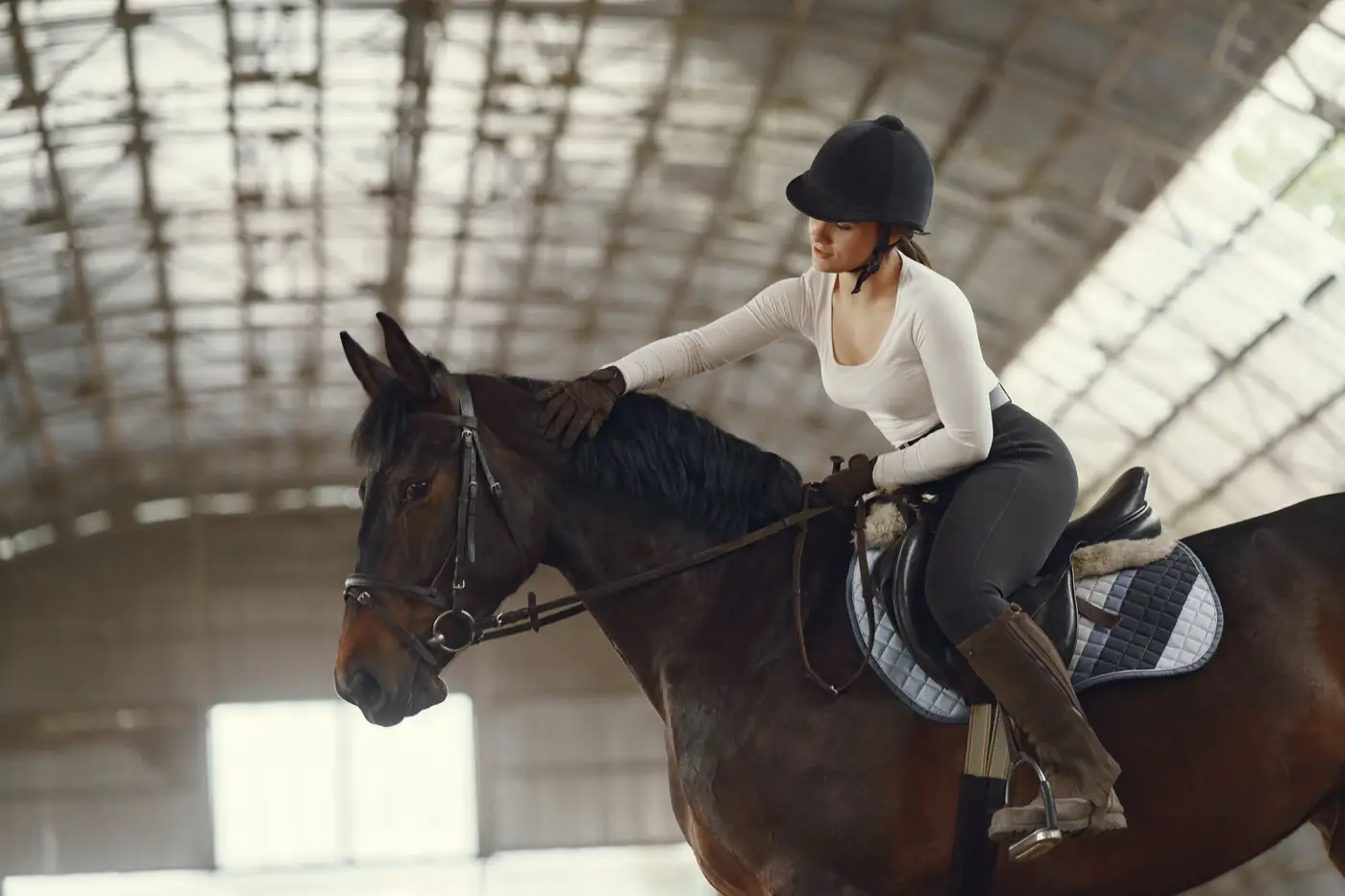
I get asked fairly often, usually by parents of children who have just started riding, what actually separates a good riding yard from an average one, and my honest answer disappoints people slightly, because it is not about the size of the arena or the quality of the horses. It is a collection of much quieter things, most of which you can genuinely assess within the first ten minutes of walking into a yard you have never visited before, if you know roughly what to look for.
How the Horses Look at You
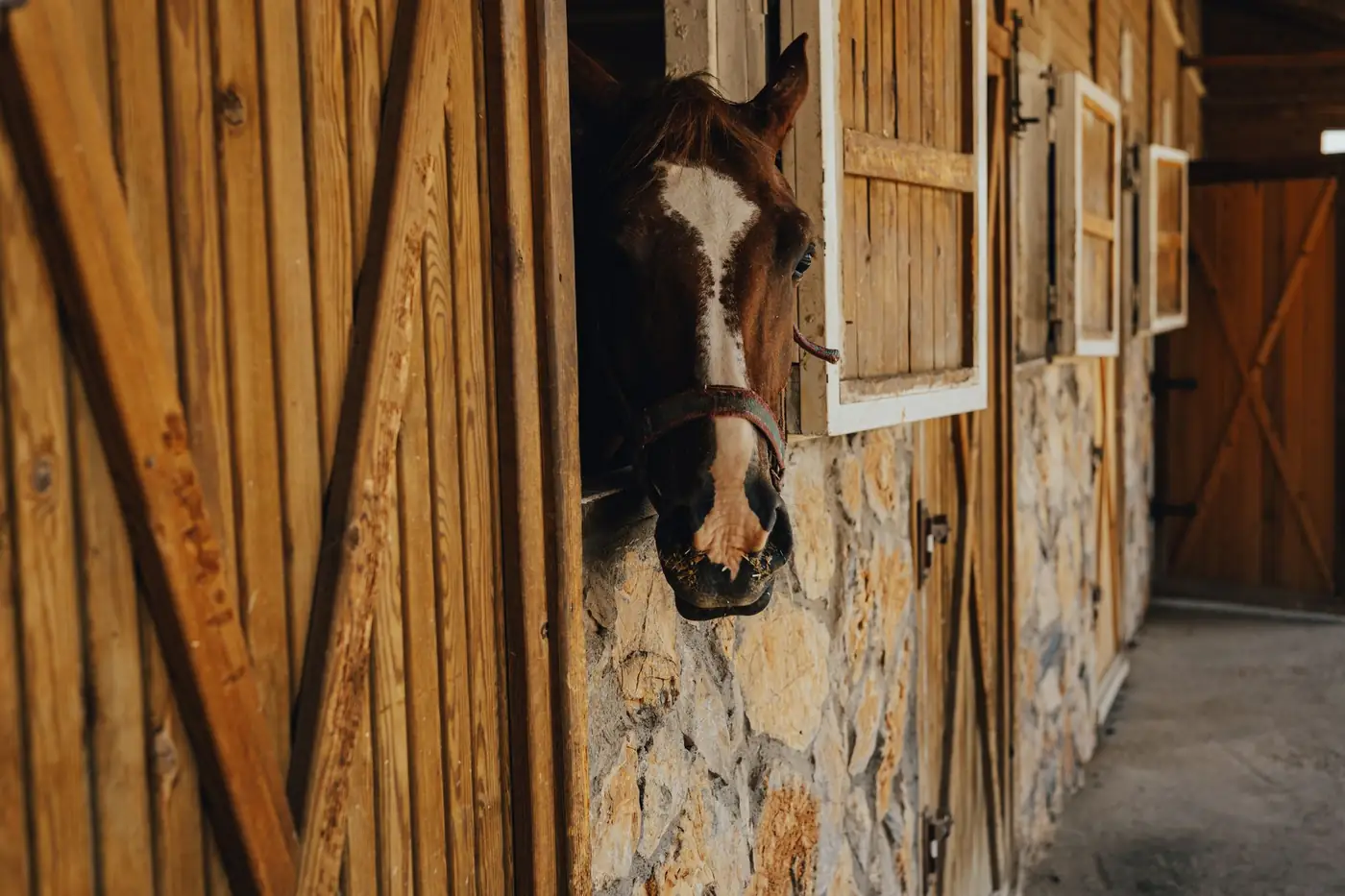
The single most useful thing I have ever learned to check, and it took me embarrassingly long to learn it, is how the horses in a yard react to a stranger walking down the aisle. Ears pinned back, heads swung away, a general air of tension, tells you something true about how that yard is run day to day, whatever the office looks like or how friendly the person showing you round happens to be. A yard full of horses that turn to look with mild, unbothered curiosity is a yard where the day-to-day handling is calm and consistent, and that consistency matters more to a beginner's actual safety and progress than almost anything else on the premises.
This is not a mystical judgement, incidentally. It is a completely learnable skill, and it is worth teaching to anyone choosing a yard for the first time, because it cuts through marketing far more reliably than a glossy website ever will.
Stable conditions themselves tell a similar story if you know what to look at rather than simply how tidy everything appears at first glance. Deep, dry, well-managed beds; water buckets actually full rather than merely present; haynets hung at a sensible height rather than loose on the floor where a horse can get a leg tangled. None of this requires an expensive yard. I have seen beautifully run yards in fairly humble surroundings and slightly neglected ones behind an expensive-looking facade, and the difference has never once come down to money.
Instructors Who Actually Watch
A good instructor spends most of a lesson watching, not talking, and corrects one thing at a time rather than firing a stream of instructions that leaves a beginner overwhelmed and a horse confused by inconsistent signals from an increasingly tense rider. I have sat through plenty of lessons at other yards, watching from the side as a favour to a friend, where the instructor talked constantly and the actual quality of what was happening in the saddle barely improved across the whole session. Quality of attention beats volume of instruction every time, and it is something you can genuinely judge by watching a single lesson before committing to anything longer term.
Progression matters too, and a good yard is honest about it rather than flattering. A beginner kept too long on a lesson pony purely because it is safe and convenient for the yard, rather than because it still matches the rider's actual level, is being let down gently but definitely, and it happens more often than it should, usually because moving a popular rider on to a different horse is administratively inconvenient rather than because it is the wrong decision for the rider.
Group size in a lesson matters more than most people think to ask about before booking. Six riders in a small arena with one instructor means long stretches of any given lesson spent simply waiting in line rather than actually riding, and a beginner needs far more individual correction, more often, than a busy group lesson can realistically provide. A yard that keeps beginner classes deliberately small, even at the cost of profitability, is usually a yard that has thought seriously about how people actually learn rather than how to fill an arena.
Kit Matters More Than People Assume
This is the part that surprises people who don't ride, and it deserves saying plainly rather than glossed over. A yard that lets riders, especially beginners, get away with unsuitable footwear or borrowed kit that doesn't fit properly is not doing anyone a favour by being relaxed about it. The basics are not expensive and they are genuinely not negotiable: boots with a proper defined heel so a foot cannot slide through a stirrup, gloves that actually grip a wet rein in October, and the right horse riding helmet, checked for a proper fit rather than just handed over from a communal box and assumed to be close enough. A good yard replaces or insists on replacing a helmet the moment it has taken a real knock, rather than keeping it in circulation until it is visibly cracked, because the protection inside a helmet degrades with impact even when the shell looks fine from the outside. None of this is glamorous, and none of it should ever be treated as optional by a yard that actually has its riders' interests at heart.
I would go further and say that a yard's attitude to safety kit tells you almost everything about its general attitude to risk. A yard that is careful and slightly fussy about helmets and hi-vis on a dark evening hack is, in my experience, reliably the same yard that is careful about matching riders to horses, careful about arena numbers, and careful about the small daily decisions that either prevent accidents or, sooner or later, cause them.
Matching Horse to Rider
The single decision that most affects a rider's actual safety and enjoyment, more than the instructor's qualifications or the size of the arena, is whether they are put on a horse that genuinely suits their level. This sounds obvious stated plainly and is nonetheless got wrong constantly, usually in one particular direction: a confident-seeming rider pushed onto a sharper, more forward horse before their actual skill, rather than their apparent confidence, has caught up with it.
A good yard resists this pressure, including from riders themselves, who very often want to be moved on faster than is sensible. It takes a certain amount of institutional confidence to tell a keen, paying customer that they are not ready for the horse they have asked for, and yards that lack that confidence tend, over time, to have noticeably more falls than yards that are willing to have the occasionally awkward conversation instead.
Beyond horses and instructors, the things worth checking are almost embarrassingly mundane: are fields checked daily for hazards, is there a genuine yard rule about riding out alone, is there a clear plan for what happens if someone falls, is the tack room organised in a way that suggests things get checked rather than merely used until they break. None of this photographs well for a yard's social media, which is precisely why it is a more honest signal than the photographs are.
I would add one more test, admittedly a slightly cheeky one: ask a member of staff, out of earshot of the owner, how long they've worked there. A yard that keeps good staff for years running is very often a yard run well enough that people want to stay, and a yard that churns through instructors and grooms every few months is telling you something about its internal culture that no brochure ever will.
A good yard is not necessarily the biggest one, the smartest one, or the one with the most impressive facilities on paper. It is usually the one where the small, unglamorous, daily decisions, about kit, about handling, about honesty with riders, are made consistently well, week after week, whether or not anyone outside the yard is watching.