
Every December the same conversation happens in the kitchen, spread across the table in the form of stallion brochures, and every December I say some version of the same thing: the pedigree is the least useful page in the book. It matters, obviously, and it is the first thing anyone looks at, and it will not, on its own, tell you whether the horse is worth the fee.
This is not a controversial view among people who do this for a living, but it is a genuinely unwelcome one to a first-time breeder who has just paid to have a mare's page professionally printed and would quite like it to mean something on its own. It does mean something. It is just not the something most people assume.
I understand the appeal of the page, incidentally, because I feel it too. There is something genuinely satisfying about tracing a line of names back through decades of racing history, and a strong pedigree is not nothing; it is evidence, real evidence, that a family has produced ability before. The mistake is treating that evidence as sufficient on its own, when in practice it is closer to a single, useful data point among several that all need weighing together.
Reading a Page Properly
A stud book entry tells you three honest things: who a horse's parents and grandparents were, what those relatives achieved on a racecourse, and, if you know how to read black type, roughly how well the family has bred on beyond that. It does not tell you the horse's temperament, its walk, its fertility, its ease of covering, or the single most practical fact of all, which is whether its stud will actually get your mare in foal without three months of frustration.
Weatherbys maintains the record that makes this whole system possible, and it is worth saying that the General Stud Book is a genuinely remarkable piece of continuous record-keeping, dating back to the 1790s and still, underneath the modern database, run on the same basic logic. But a record of ancestry was never designed to answer the questions that actually decide whether a mating works, and it does the whole system a disservice to treat it as though it does.
Black type, the practice of printing a horse's name in bold in a catalogue page because it won or was placed in a black type race, is probably the single most misunderstood piece of pedigree shorthand there is. It tells you a relative achieved something at a specific level, which is genuinely useful, but it tells you nothing about how far back that achievement sits, how deep the black type runs through the page, or whether it reflects genuine ability passed down consistently or a single generational outlier. Reading a page properly means asking those follow-up questions rather than simply counting the bold names.
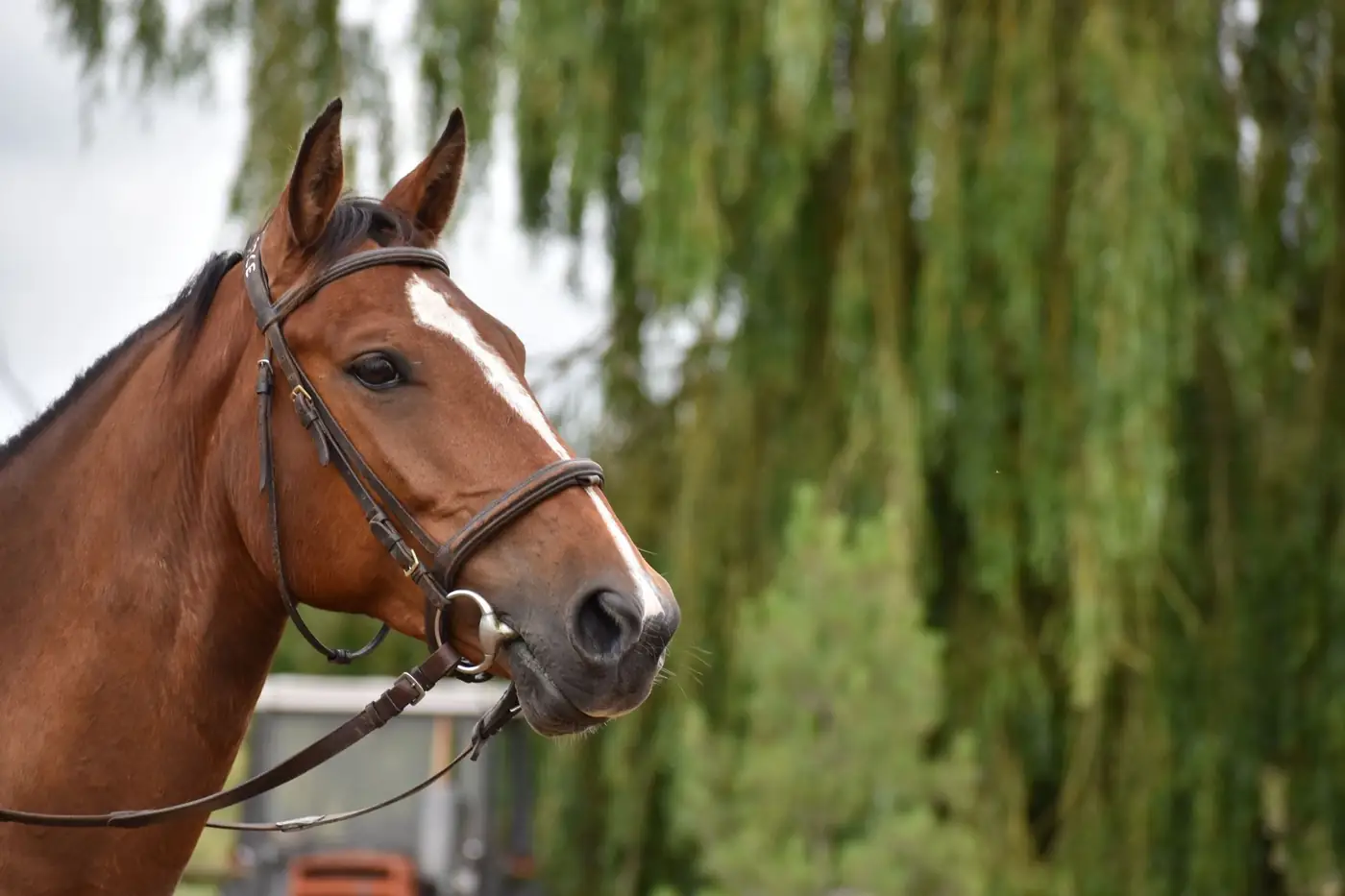
The Things You Actually Need to See
I want to see the horse walk before anything else. A stallion with a poor walk is passing that on to half his stock whatever his page says, and a poor walk in a young horse going through the sales ring is one of the fastest ways to lose money in this business, because buyers notice it in about four seconds and mark the horse down accordingly. I want to know his fertility figures from the previous season, not his covering fee, because a fashionable stallion with a mediocre conception rate can cost you an entire season's use of a mare for nothing.
I want to talk to someone who has actually sent a mare there, ideally more than one someone, because studs vary enormously in how mares are handled, how quickly problems are flagged, and how easy the whole logistical side of a covering season turns out to be. A stud that is disorganised about scanning windows and travel dates can turn what should be a straightforward covering into six frustrating weeks, and that has nothing to do with the stallion at all.
And I want to think honestly about temperament, both the stallion's own and what he is known to pass on, because a beautifully bred foal with a difficult mind is harder to sell, harder to break, and harder to place than people admit when they are looking at a photograph of a foal rather than living with one. Conformation matters too, obviously, and I have written elsewhere about how to actually look at a horse rather than just admire it; the same discipline applies here, to the sire, before you ever get to his offspring.
Ease of covering deserves a mention most brochures skip entirely. Some stallions cover naturally and easily with minimal fuss; others are notoriously difficult, requiring extra handling, extra staff, or repeated attempts that stretch a mare's covering window uncomfortably close to missing the cycle altogether. A stud's staff will usually tell you the truth about this if you ask directly rather than through the marketing department, and it is worth the slightly awkward phone call to find out before you commit a mare's whole season to a single covering date.
Matching, Not Just Choosing
The mistake I see most often, and have made myself more than once, is choosing a stallion in isolation rather than choosing a mating. A stallion who is exactly right for one mare can be entirely wrong for another with a similar page, because what actually matters is how the two animals fit together: whether a mare with a laid-back, occasionally lazy temperament needs a stallion who adds a bit of drive rather than compounding the problem, whether a mare with a slightly upright pastern needs a stallion known for correcting that rather than one who shares the same fault.
This is where experience genuinely earns its keep and where a good stud manager or bloodstock agent is worth every penny of their fee, because they have seen dozens of these pairings play out over years in a way that no single breeder, however dedicated, gets the chance to. It is also, frankly, where a lot of guesswork remains built into the whole enterprise, whatever the software promises. Breeding is closer to an informed bet than a science, and anyone who tells you otherwise is usually selling something.
We have, more than once, passed on a fashionable, expensive stallion in favour of a less celebrated one purely on the strength of how the two animals seemed likely to fit together physically, and it has generally paid off better than chasing the name on the brochure. It does not always work, and I would be lying if I claimed otherwise; breeding carries irreducible uncertainty whatever care goes into the decision. But a considered mismatch corrected for on paper still beats an unconsidered match made purely on reputation.
What We Actually Do in December
By the time the brochures come out, we have usually already narrowed the field to two or three names based on fertility data and physical type, and the conversation at the table is less about discovering new options than about arguing ourselves toward a decision we have half made already. It is not romantic. It is a spreadsheet with opinions attached, and the opinions matter more than the spreadsheet, but only once the spreadsheet has ruled out the horses that were never really contenders.
What I would say to anyone doing this for the first time is simple enough: read the page, then put it down, and go and look at the actual animal, on video if you cannot get there in person, moving on a hard surface where you can see the walk clearly. The pedigree got the stallion onto your shortlist. It should not be the thing that gets him off it.